info@bloomindesigns.com

Imagine More Perennials Than You Can Imagine, Delivered To You - Free
Shop by Category
Shop by Brand
Shop by Brand
Echinacea
Vibrant Color, Pollinator Power & Easy Care
Echinacea, commonly known as Coneflowers, are North American native wildflowers celebrated for their daisy-like blooms, exceptional hardiness, and incredible pollinator appeal. They bring vibrant color, long-lasting blooms, and a touch of wild beauty to any garden. Here’s why Echinacea deserves a place in your landscape:
- Long-Blooming Season of Vibrant Color: Enjoy months of cheerful color from mid-summer through fall! Echinacea flowers are known for their extended bloom time, providing a continuous display when many other summer flowers begin to fade. They come in a spectrum of hues, from classic purples and pinks to sunny yellows, oranges, reds, and even whites and greens.
- Pollinator Magnet: Become a haven for beneficial insects! Echinacea flowers are irresistible to butterflies, bees, and other pollinators, playing a vital role in supporting a healthy garden ecosystem. Watching pollinators flock to these blooms is a delight!
- Drought Tolerant & Low Maintenance: Effortless beauty for busy gardeners! Once established, Echinacea are remarkably drought-tolerant and require minimal care. They thrive in sunny locations and are forgiving of less-than-perfect conditions.
- Deer Resistant & Rabbit Resistant: Protect your garden from unwanted nibblers! Echinacea are generally considered deer and rabbit resistant, allowing you to enjoy their beauty without constant worry about browsing.
- Native Beauty & Environmental Benefits: Embrace native plants and support local ecosystems! Echinacea are native to North America, making them well-adapted to many climates and providing important food and habitat for native wildlife.
- Excellent Cut Flowers & Seedheads for Winter Interest: Bring the garden indoors and enjoy winter beauty! Echinacea flowers make long-lasting and cheerful cut flowers. Left standing after blooming, their seedheads provide winter interest and food for birds.
- Variety of Heights & Forms: From compact dwarf varieties to taller, more traditional forms, Echinacea offers a range of sizes and flower styles to suit different garden designs and spaces. Single, double, and anemone-flowered forms are available.
- Medicinal Properties (Historically & Still Used): Echinacea has a long history of traditional medicinal use, particularly for immune support. While we do not make medical claims, it is a fascinating aspect of this plant's heritage (Note: Always consult with a healthcare professional for medical advice. We do not endorse or recommend any medicinal use).
Bring vibrant color, pollinator power, and effortless beauty to your garden! Choose Echinacea Coneflowers and experience the joy of these sunshine-loving blooms.
Choosing the Right Location:
- Light: Echinacea thrive in full sun. They need at least 6-8 hours of direct sunlight per day for best flowering and strongest stems.
- Soil: Plant in well-drained soil. They are adaptable to a range of soil types, including average to even slightly poor soil, as long as it drains well. Heavy clay soil should be amended with compost or other organic matter to improve drainage.
- Avoid Wet Feet: Good drainage is essential! Echinacea are susceptible to root rot in soggy, poorly draining soil.
- Air Circulation: Choose a location with good air circulation to help prevent fungal diseases, especially in humid climates.
When to Plant:
- Best Times: Plant Echinacea in spring or fall. Spring planting after the last frost allows them to establish before the heat of summer. Fall planting gives them a chance to develop roots before winter dormancy.
- Avoid Summer Planting (if possible): Planting during the heat of summer can stress young plants. If summer planting is necessary, provide extra care and watering.
How to Plant:
- Dig the Hole: Dig a hole that is twice as wide as the plant's root ball and just as deep.
- Amend the Soil (if needed): If your soil is very poor, mix in a small amount of compost into the excavated soil. Echinacea generally prefer slightly leaner soil over overly rich soil.
- Planting Depth: Place the Echinacea root ball in the hole so that the top of the root ball is level with the surrounding soil.
- Backfill and Water: Backfill the hole with the excavated soil, gently firming it around the plant. Water thoroughly after planting to settle the soil.
- Spacing: Space Echinacea plants about 18-24 inches apart, depending on the variety and mature size. Allow for good air circulation between plants.
Ongoing Care:
- Watering:
- Water Deeply at Planting and Establishment: Water thoroughly after planting and during the first few weeks to help them establish.
- Drought Tolerant Once Established: Once established (after the first year), Echinacea are quite drought-tolerant and prefer to dry out slightly between waterings.
- Water During Prolonged Dry Spells: Water deeply during extended periods of drought, especially during flowering.
- Avoid Overwatering: Overwatering is more detrimental than underwatering. Allow the soil to dry out slightly between waterings.
- Mulching (Optional):
- Mulch Conservatively: Mulch is optional in well-drained soil. If using mulch, apply a thin layer of organic mulch, such as shredded bark or pine needles, around the base of the plants, keeping it away from the crown.
- Mulch Benefits (in some cases): Mulch can help retain soil moisture in very sandy soil or suppress weeds, but avoid thick mulch in heavy, poorly drained soil.
- Fertilizing (Generally Not Necessary):
- Low Fertilizer Needs: Echinacea are not heavy feeders and generally do not require regular fertilization. Over-fertilizing can lead to weak stems and fewer flowers.
- Avoid High-Nitrogen Fertilizers: Avoid high-nitrogen fertilizers, which can promote excessive foliage growth at the expense of blooms.
- If Needed (Very Poor Soil): If growth is weak in very poor soil, you can apply a light application of a balanced, low-phosphorus fertilizer in early spring as new growth emerges. Follow product instructions carefully.
- Deadheading (Optional - Extends Bloom or Allows Self-Seeding):
- Deadheading for Longer Bloom: Deadheading spent flowers (removing faded blooms) can encourage a longer bloom period and prevent self-seeding if desired.
- Leave Seedheads for Winter Interest & Birds: If you want to enjoy seedheads for winter interest and provide food for birds (like goldfinches), leave some or all of the spent flowerheads on the plants after blooming.
- Self-Seeding: Echinacea can self-seed readily. If you want them to naturalize, allow some seedheads to mature. If you want to control their spread, deadhead spent flowers regularly.
- Division (Every Few Years - Optional):
- To Rejuvenate or Propagate: Echinacea clumps can be divided every 3-4 years if they become overcrowded or if you want to propagate more plants.
- Divide in Spring or Fall: Divide in early spring just as new growth begins or in early fall.
- How to Divide: Carefully dig up the clump and gently separate it into smaller divisions, each with healthy roots and shoots. Replant divisions at the recommended spacing.
Pests and Diseases:
- Generally, Pest and Disease Resistant: Echinacea are generally quite resistant to pests and diseases.
- Japanese Beetles (Occasionally): Japanese beetles may occasionally feed on foliage and flowers. Hand-picking beetles is often the most effective control method.
- Aphids (Rarely): Aphids may occasionally appear, especially on new growth. Hose them off with water or use insecticidal soap if needed.
- Powdery Mildew (Humid Conditions): Powdery mildew can sometimes occur in humid conditions, especially if air circulation is poor. Ensure good air circulation and avoid overhead watering to minimize this risk. Fungicides can be used if necessary.
- Aster Yellows (Viral Disease - Rare but Serious): Aster yellows is a viral disease transmitted by leafhoppers. It can cause distorted flower heads and greenish growths. Remove and destroy infected plants to prevent spread.
Enjoy the vibrant color, pollinator power, and easy-care nature of your Echinacea Coneflowers, bringing sunshine and life to your garden for years to come!
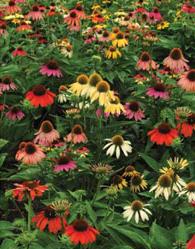 Echinacea (ek-in-nay-shee-uh), Coneflowers, are not just purple coneflowers anymore, but a wide range of flower colorations consisting of various hues of magenta, orange, pink, purple, white, and yellow. There are also numerous flower types available including single, double, quilled, or cultivars with bi-color blooms or petals that changes color over time.
Native to North American, purple coneflower was once common in meadows and prairies and is often used in summer gardens to attract butterflies or for use as a cut flower. Coneflowers like it sunny and hot. Plant in sun to partially shady sites. Morning sun and afternoon shade often yield the best looking flowers. Light, loamy soils are best, but coneflowers will grow in any well-drained soil. Once established, they are quite drought tolerant.
Use in mass or group plantings, borders, entrance ways, back of the perennial bed, and naturalized areas or woodland edge. Fragrant flowers attract butterflies. Spent blooms should be left on the plants in fall because seeds provide winter food for finches and other birds. Deer resistant.